Introduction
Many people wonder, who requires trauma care? Trauma care is vital for those with serious injuries, especially when the brain or nerves are involved. Often, quick action can save lives and prevent lasting damage. In this blog, we will explain who needs trauma care, focusing on neurological trauma care and emergency neuro surgery. You will also learn about signs of brain injury and when to seek trauma care.
What is Trauma Care?
Trauma care is special medical help for people with severe injuries. These injuries may happen after accidents, falls, or violence. For example, trauma care teams treat broken bones, deep cuts, and head injuries. However, when the brain or spine is hurt, care becomes even more urgent. Neurological trauma care focuses on injuries to the brain, spinal cord, and nerves. In many cases, fast treatment can prevent serious problems or death.
Types of Injuries Requiring Trauma Care
Not all injuries need trauma care. But some, especially those involving the brain or nerves, do. Here are common types of neurological and neurosurgical injuries that require trauma care:
For these cases, emergency neuro surgery may be needed. According to the World Health Organization (WHO), early trauma care can reduce deaths and disabilities from brain injuries.
Who Needs Trauma Care?
Anyone can need trauma care, but some groups are at higher risk. For instance, children and older adults are more likely to fall and hurt their heads. People who drive, ride bikes, or play contact sports also face higher risks. In addition, those with certain health problems, like bleeding disorders, may need trauma care sooner. Here are some common scenarios:
Because anyone can be affected, it is important to know the signs and act quickly.
Signs and Symptoms Indicating Immediate Trauma Care
Sometimes, it is hard to know when to seek trauma care. However, certain signs mean you should get help right away. Watch for these symptoms after an injury:
If you notice any of these signs, seek emergency neuro surgery or trauma care at once. Quick action can save lives and prevent long-term problems.
How Trauma Care is Provided
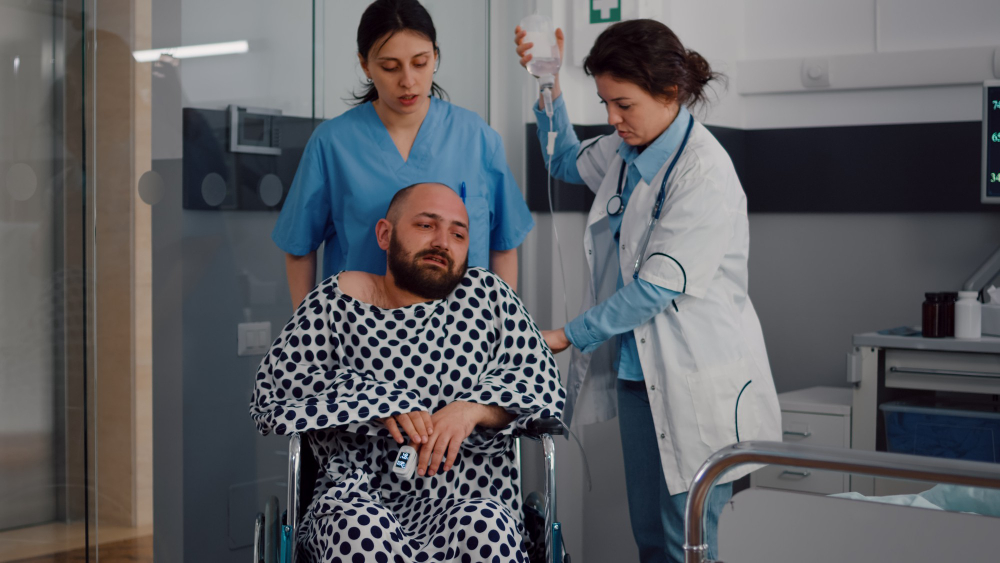
Trauma care starts at the scene of the injury. First responders, like paramedics, give basic help. They may stop bleeding or keep the person still. Next, the patient is taken to a trauma care center. There, doctors and nurses check for injuries. If needed, a neurosurgeon may perform emergency surgery to stop bleeding or relieve pressure on the brain. In many cities, trauma care centers have special teams ready 24/7. For example, trauma care centers in major cities use advanced tools to diagnose and treat brain injuries quickly.
Prevention Tips and When to Seek Help
While accidents can happen to anyone, you can lower your risk. Here are some tips:
Even with these steps, injuries may still occur. Therefore, if you or someone you know shows signs of brain injury, do not wait. Seek trauma care right away. Early treatment can make a big difference.
Conclusion
In summary, trauma care is crucial for people with serious injuries, especially those involving the brain or nerves. Knowing who requires trauma care and the signs of brain injury can help you act fast. If you or someone you know shows signs of trauma, consult a specialist or visit a trauma care center immediately.